Classic Race Car 3D Print Model: A Comprehensive Guide for Hobbyists and Professionals
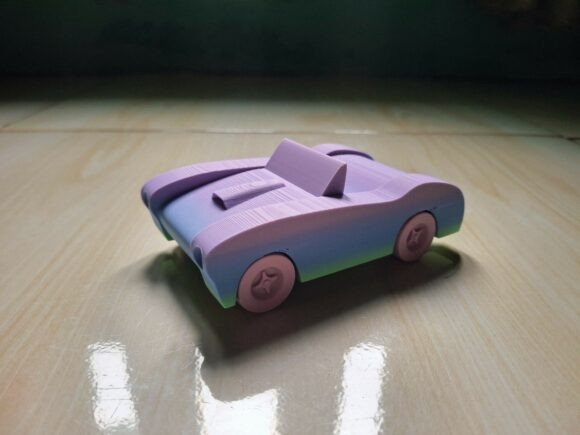
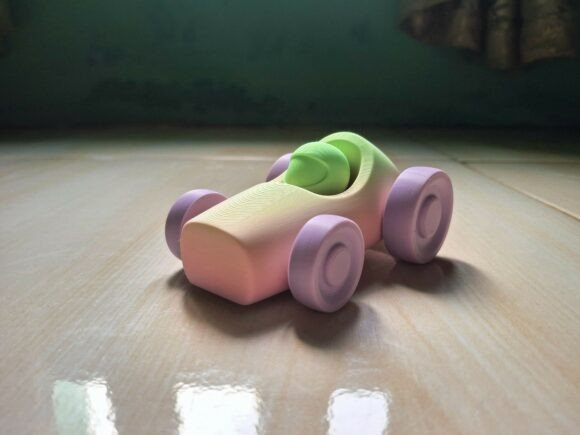
The Classic Race Car 3D Print Model is a meticulously designed 3D model that captures the essence of vintage racing. This model, available in STL and 3MF file formats, is perfect for enthusiasts looking to add a touch of nostalgia to their 3D printing projects. Tested on the Bambu Lab A1 Mini with Esun ePLA Matte filament, this model is ideal for those who appreciate high-quality prints without the need for support structures.
Understanding the Classic Race Car 3D Print Model
The Classic Race Car 3D Print Model is a detailed representation of a classic race car, measuring 10.2 cm x 7.25 cm x 4.91 cm. The model is licensed for private use only, and the sale of the file or the printed object is strictly prohibited. This ensures that the integrity and exclusivity of the model are maintained, making it a unique addition to any collection.
Preparation and Setup
Before you begin printing, ensure your 3D printer, specifically the Bambu Lab A1 Mini, is set up correctly. Here are the recommended settings for optimal results:
- Nozzle Size: 0.4 mm
- Wall Loops: 3
- Infill: Sparse (15% infill)
- Layer Height: 0.16 mm
- Support: No support required
These settings are designed to balance print quality and material usage, ensuring a smooth and efficient printing process.
Integrating the Model into Your Workflow
The Classic Race Car 3D Print Model can be seamlessly integrated into various workflows, whether for personal projects, educational purposes, or professional applications. Here’s how you can incorporate it into different scenarios:
For Personal Projects
Hobbyists can use this model as a centerpiece for a retro-themed display or as part of a larger diorama. The model's intricate details and realistic appearance make it a standout piece in any collection. Consider using it as a focal point in a room or as a conversation starter at gatherings.
For Educational Use
Educators can leverage this model to teach students about 3D printing, automotive design, and historical vehicles. The hands-on experience of printing and assembling the model can enhance students' understanding of engineering principles and design aesthetics. Additionally, it can be used as a practical example in lessons on history, technology, and art.
For Professional Applications
Professionals in the design and manufacturing industries can use this model as a reference or prototype. It can serve as a tangible example of 3D printing capabilities and the level of detail achievable with modern 3D printers. The model can also be used in presentations or as a demonstration tool to showcase the potential of 3D printing in product development and design.
Practical Implementation Tips
To ensure a successful print and a smooth integration into your workflow, consider the following tips:
- Check Filament Quality: Use high-quality filament, such as Esun ePLA Matte, to achieve the best results. The matte finish adds a professional and polished look to the final print.
- Calibrate Your Printer: Ensure your 3D printer is properly calibrated to avoid issues like warping or misalignment. Regular maintenance and calibration are key to consistent print quality.
- Monitor the Print: Keep an eye on the printing process, especially during the first few layers, to catch and correct any potential issues early on.
- Post-Processing: After printing, remove any excess material and clean the surface. You can also apply a clear coat or paint to enhance the model's appearance and protect it from wear and tear.
Quality Control and Long-Term Use
Maintaining the quality and longevity of your 3D prints is essential. Here are some tips to ensure your Classic Race Car 3D Print Model remains in excellent condition:
- Store Properly: Keep the printed model in a dry, dust-free environment to prevent damage and degradation over time.
- Handle with Care: Be gentle when handling the model to avoid accidental damage. If you plan to move or transport the model, consider using a protective case or box.
- Regular Inspections: Periodically inspect the model for any signs of wear or damage. Addressing minor issues early can help maintain the model's integrity and appearance.
By following these guidelines, you can ensure that your Classic Race Car 3D Print Model not only looks great but also lasts for years to come.
Conclusion
The Classic Race Car 3D Print Model is a versatile and high-quality 3D print that can be integrated into various workflows and projects. Whether you are a hobbyist, educator, or professional, this model offers a unique and engaging way to explore 3D printing and automotive design. With careful preparation, proper setup, and thoughtful implementation, you can create a stunning and durable 3D print that stands out in any setting.