Skeletal Octopus: A Spooky Yet Adorable 3D Print Project
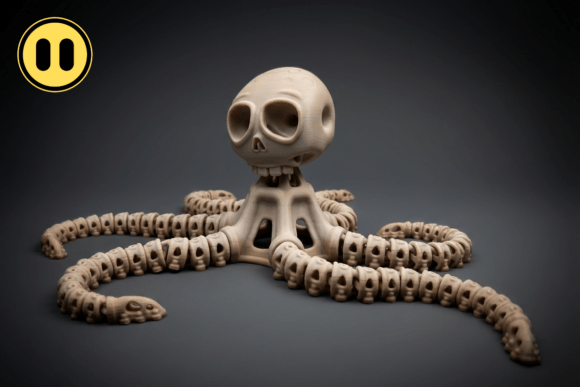
Imagine a whimsical, yet slightly eerie addition to your 3D print collection. The Skeletal Octopus is a unique and captivating model that brings a perfect blend of creepy and cute to any space. Whether you're looking to spruce up your Halloween decor or add a quirky touch to your desk setup, this caricatured octopus skeleton is sure to stand out.
Why Choose the Skeletal Octopus?
The Skeletal Octopus is designed with both form and function in mind. Its articulated tentacles, inspired by bone segments, allow for natural movement and a playful character. This model is not just a static decoration; it's an interactive piece that can be posed and re-posed, adding a dynamic element to your collection.
Optimized for FDM printers, the Skeletal Octopus prints without supports, ensuring a clean and precise result straight off the build plate. It's split into four smartly designed parts, making assembly a breeze. No glue is required—everything fits together cleanly and precisely, making it a great project for both beginners and experienced makers.
Avoiding Common Mistakes with the Skeletal Octopus
While the Skeletal Octopus is a fantastic 3D print project, there are a few common mistakes and misunderstandings that can affect your results. Here’s how to avoid them:
Mistake 1: Overlooking Print Settings
One of the most common mistakes is using default print settings without considering the specific needs of the model. The Skeletal Octopus is optimized for FDM printers, but it's essential to adjust your settings for the best results. Ensure your layer height, infill density, and print speed are set appropriately to achieve a smooth, detailed finish.
Mistake 2: Ignoring Material Selection
The choice of filament can significantly impact the final look and feel of your Skeletal Octopus. While PLA is a popular and easy-to-use material, consider using a more durable filament like PETG or ABS if you plan to handle the model frequently. These materials offer better strength and flexibility, which can be beneficial for the articulated tentacles.
Mistake 3: Neglecting Post-Processing
Post-processing is often overlooked, but it can make a huge difference in the overall appearance of your 3D print. Simple steps like removing support structures (if any), sanding rough edges, and applying a primer and paint can transform your Skeletal Octopus from a good print to a stunning showpiece. Don’t skip these steps if you want to achieve a professional, polished look.
Mistake 4: Not Checking Assembly Fit
Before fully assembling your Skeletal Octopus, take a moment to check the fit of all the parts. Dry-fit the components to ensure they align correctly and move smoothly. If you notice any issues, such as tight or loose connections, make minor adjustments or file down any rough spots before proceeding with the final assembly. This will save you time and frustration in the long run.
Practical Advice for a Successful Print
To get the most out of your Skeletal Octopus 3D print, follow these practical tips:
- Calibrate Your Printer: Ensure your printer is well-calibrated and leveled. This will help prevent warping and ensure consistent layer adhesion.
- Use a Heated Bed: A heated bed can help reduce the risk of warping, especially when printing with materials like ABS or PETG. If you don’t have a heated bed, consider using a bed adhesive like hairspray or a specialized 3D printing bed spray.
- Monitor the First Layers: The first few layers are critical for a successful print. Watch the initial layers closely to ensure they adhere properly. If you notice any issues, pause the print and make necessary adjustments.
- Take Your Time with Post-Processing: Post-processing can be time-consuming, but it’s worth the effort. Use fine-grit sandpaper to smooth out any imperfections, and apply a coat of primer before painting. This will give your Skeletal Octopus a professional, finished look.
Conclusion
The Skeletal Octopus is a charming and versatile 3D print project that adds a unique, playful touch to any space. By avoiding common mistakes and following practical advice, you can ensure a high-quality, visually appealing result. Whether you’re a beginner or an experienced maker, this model offers a fun and rewarding experience. So, why not bring a bit of spookiness and cuteness to your 3D print collection with the Skeletal Octopus?